

Your top news on education
Provided by AGP
Medical Patches and Sensors Market to Reach US$59.9 Bn by 2033 | Persistence Market Research
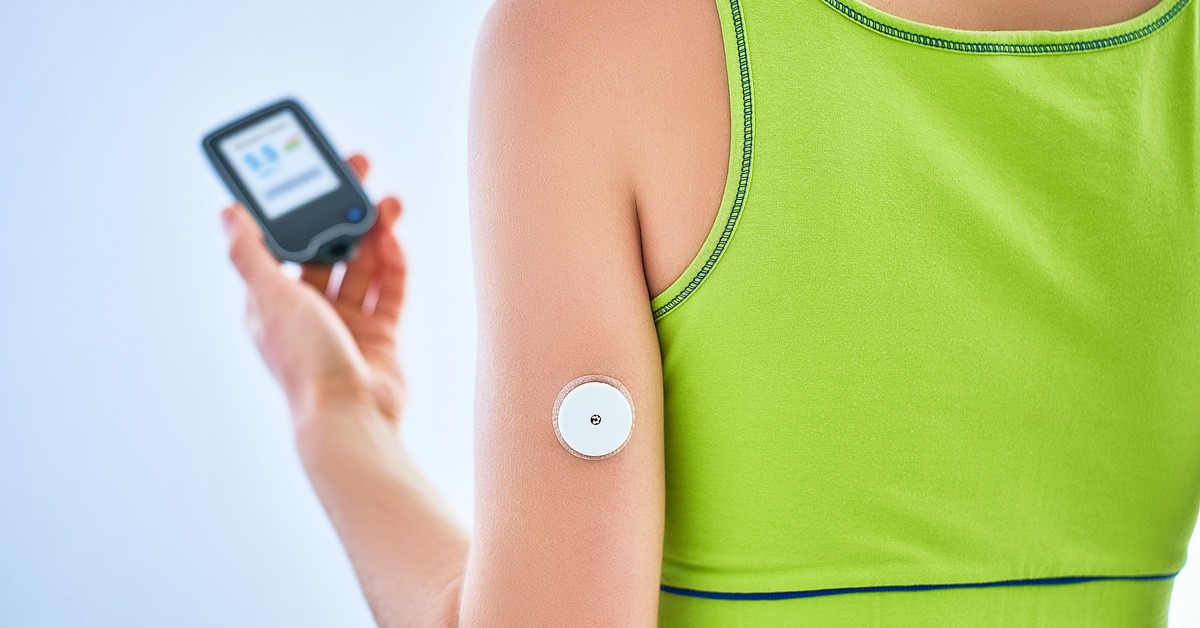
medical patches and sensors market
The medical patches and sensors market is rapidly growing, driven by wearable technology, remote monitoring, and rising demand for personalized healthcare.
LONDON, UNITED KINGDOM, May 12, 2026 /EINPresswire.com/ -- The global medical patches and sensors market is poised for substantial growth, with its value projected to reach US$18.3 billion in 2026 and expected to climb to US$59.9 billion by 2033, registering a robust CAGR of 18.4% during the forecast period. The market expansion is primarily driven by the growing demand for flexible, non-invasive monitoring solutions across clinical and home-based care environments. Factors such as the rising prevalence of chronic diseases, increasing adoption of remote patient monitoring, and wearable technologies enabling continuous health tracking are central to this growth.
The World Health Organization (WHO) emphasizes strengthening surveillance systems and expanding access to essential health services, highlighting the pivotal role of connected medical devices in improving diagnostic accuracy, treatment outcomes, and data-driven public health responses. According to WHO and partner analyses, digital health interventions support chronic disease management by enabling real-time data capture, personalized risk monitoring, and health education, thereby empowering individuals and assisting clinicians with timely insights.
Download Your Free Sample & Explore Key Insights: https://www.persistencemarketresearch.com/samples/13672
Key Industry Highlights
North America is projected to lead the market, accounting for 40% of the share in 2026, due to high adoption of wearable technologies, advanced healthcare infrastructure, and strong innovation in connected health solutions. Asia Pacific is expected to be the fastest-growing region, supported by rising healthcare access, rapid adoption of remote monitoring, and expanding manufacturing capabilities. Biosensors are anticipated to dominate product types with 45% of revenue share in 2026, driven by applications in glucose monitoring, cardiac biomarkers, and infectious disease detection. Monitoring remains the leading application segment, expected to account for over 40% of revenue, fueled by remote patient management and continuous vital sign tracking.
Market Drivers
The increasing prevalence of chronic conditions, including diabetes, cardiovascular diseases, and hypertension, has accelerated the adoption of medical patches and sensor technologies. Continuous monitoring enables real-time tracking of vital signs, glucose levels, and cardiac activity, facilitating early interventions and personalized treatment adjustments. Hospitals, clinics, and home care providers are integrating wearable biosensors and pressure-based patches to reduce readmissions, improve quality of care, and support long-term health management. Advanced healthcare systems increasingly leverage remote monitoring solutions, allowing patients to track vital parameters outside clinical settings, improving compliance and reducing dependence on hospital visits. Integration with digital health platforms and mobile applications ensures seamless data transfer, trend analysis, and timely notifications, aiding clinicians in population health studies and risk stratification.
Technological Advancements
Miniaturization, flexible electronics, and wireless connectivity have enhanced the functionality and comfort of medical patches, enabling continuous wear and precise monitoring. Multi-sensor platforms now track heart rate, oxygen saturation, body temperature, glucose, and motion in a single patch. Energy-efficient designs and long-lasting batteries extend usability, while connectivity via Bluetooth low energy and secure cloud platforms supports telehealth integration. Artificial intelligence and predictive analytics further enable early detection of irregularities, personalized health insights, and improved clinical outcomes.
Get Custom Insights Designed for Your Businecss: https://www.persistencemarketresearch.com/request-customization/13672
Challenges and Restraints
Data privacy and cybersecurity remain major concerns as patches increasingly rely on wireless networks and cloud platforms. Unauthorized access, breaches, and cyberattacks could compromise sensitive patient information. Compliance with HIPAA, GDPR, and national digital health standards is essential but complex. Additionally, skin irritation, biocompatibility, and discomfort from prolonged wear may limit adoption. Manufacturers are addressing these issues with medical-grade adhesives, hydrogel interfaces, and flexible designs to improve patient adherence and long-term monitoring.
Opportunities
Telehealth and remote patient monitoring present significant growth opportunities, enabling clinicians to make data-driven decisions without in-person visits. Integration with mobile apps and cloud platforms ensures continuous care, early intervention, and cost reduction. Personalized medicine and wellness applications are driving demand for patches that track heart rate variability, glucose, sleep patterns, and activity levels, offering tailored preventive care and lifestyle management solutions.
Product and Application Insights
Biosensors are expected to lead, representing 45% of revenue due to versatility in continuous glucose monitoring, cardiac biomarker detection, and infectious disease surveillance. Image sensors are the fastest-growing segment, leveraging high-resolution and multi-modal detection technologies. Monitoring dominates applications, with continuous tracking critical for chronic disease management and remote patient care, while diagnostics is rapidly expanding through point-of-care and decentralized healthcare solutions.
Regional Trends
North America leads due to high healthcare spending, advanced infrastructure, and adoption of digital health solutions, exemplified by Medtronic’s Guardian Connect system. Europe benefits from government policies promoting digital health, patient demand for home-based care, and integration with EHRs. Asia Pacific is the fastest-growing region, driven by urbanization, health awareness, and cost-effective local manufacturing, with companies like Omron Healthcare offering continuous blood pressure monitoring patches for home use.
Checkout Now & Download Complete Market Report: https://www.persistencemarketresearch.com/checkout/13672
Market Segmentation
By Product Type
Biosensors
Pressure Sensors
Accelerometer Sensors
Temperature Sensors
Image Sensors
By Application
Diagnostics
Monitoring
Medical Therapeutics
Imaging
Wellness and Fitness
By End-user
Hospitals
Clinics
Home Care Settings
Diagnostic Laboratories
By Region
North America
Europe
Competitive Landscape
The market is moderately fragmented, with established players such as Medtronic, Abbott Laboratories, and TE Connectivity driving innovation in wearable sensors and remote monitoring solutions. Emerging companies focus on flexible electronics, AI-enabled analytics, and biocompatible materials. Recent developments include JAX and MIT’s microneedle immune monitoring patch and SMART’s wearable ultrasound imaging system for chronic disease tracking.
Companies Covered
SSI Electronics, ACE Medical Devices, Sensirion AG Switzerland, Smith’s Medical, Koninklijke Philips N.V., GE Healthcare, Analog Devices, Inc., Honeywell International Inc., TE Connectivity, Medtronic, NXP Semiconductor
Conclusion
The medical patches and sensors market is poised for rapid growth, fueled by chronic disease prevalence, technological innovation, telehealth adoption, and consumer demand for personalized, non-invasive health monitoring. With advancements in biosensors, connectivity, and AI-driven analytics, these devices are transforming patient care, enabling continuous monitoring, early intervention, and improved clinical outcomes worldwide.
Read Related Reports:
Inhalation CDMO Market: Global inhalation CDMO market size is projected to reach US$14.3 Bn by 2033 from US$9.5 Bn in 2026, expanding at a CAGR of 6.0%..
Hepatocellular Carcinoma (HCC) Treatment Market: HCC treatment market is set to grow from US$5.2 Bn in 2026 to US$9.4 Bn by 2033, driven by innovation, rising cases, and an 8.8% CAGR.
Persistence Market Research
Persistence Market Research Pvt Ltd
+1 646-878-6329
email us here
Visit us on social media:
LinkedIn
Instagram
Facebook
YouTube
X
Legal Disclaimer:
EIN Presswire provides this news content "as is" without warranty of any kind. We do not accept any responsibility or liability for the accuracy, content, images, videos, licenses, completeness, legality, or reliability of the information contained in this article. If you have any complaints or copyright issues related to this article, kindly contact the author above.
